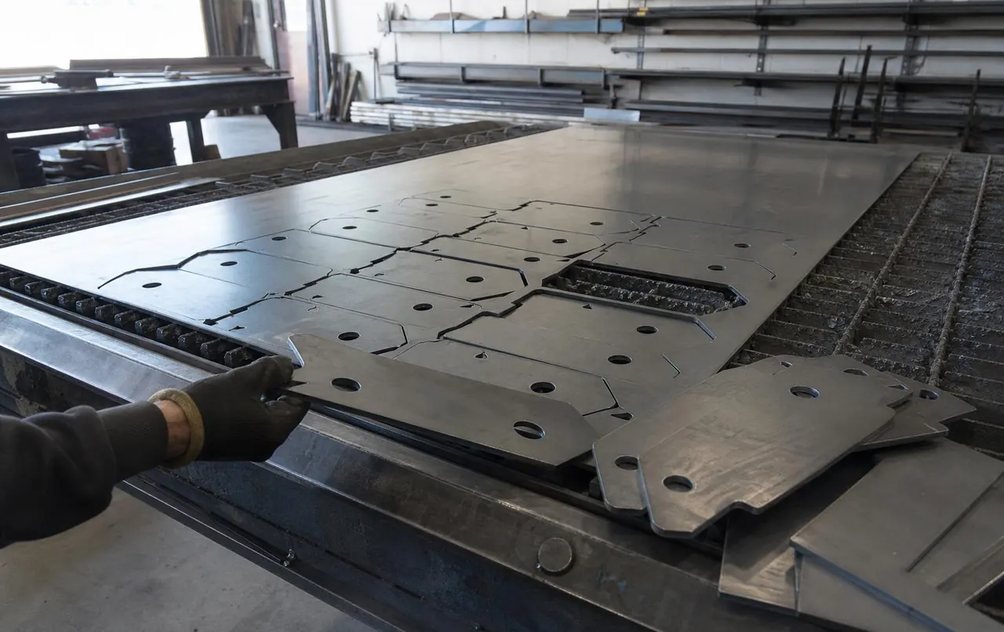
Every cut leaves something behind. A saw leaves a ridge on the end of a bar. A drill pushes a ring of metal out of the far side of a hole. A cutting table leaves a fine edge along the profile. These burrs are small, but they cut hands, scratch the parts they touch, stop a bolt from seating and keep coatings from sticking well. Deburring removes them.
At Mountain Metal Fab, deburring is the last step on everything we make, and we also offer it as a service on its own for parts cut or machined elsewhere. We work by hand with deburring blades, files and countersinks, and with belts, wheels and abrasive pads for longer edges and faces. The method depends on the material, the size of the burr and how the finished edge should look.
Tell us what the edge has to do. A part that will be painted needs a different edge from one that will be handled every day or one that slides against a seal. We match the edge to the job and keep it consistent across the batch.
How a job moves through the shop
1
Tell us about the parts
Material, quantity and a photo or sample. Note which edges are seen, handled or sealed.
2
Agree on the edge
We describe the edge we will leave and, for a batch, finish one sample for your approval.
3
Deburr the lot
Every part gets the same edge and hole work, by hand or with abrasives.
4
Clean and pack
Chips and dust are blown off, parts are counted and packed so edges do not knock together.
Parts we often make this way
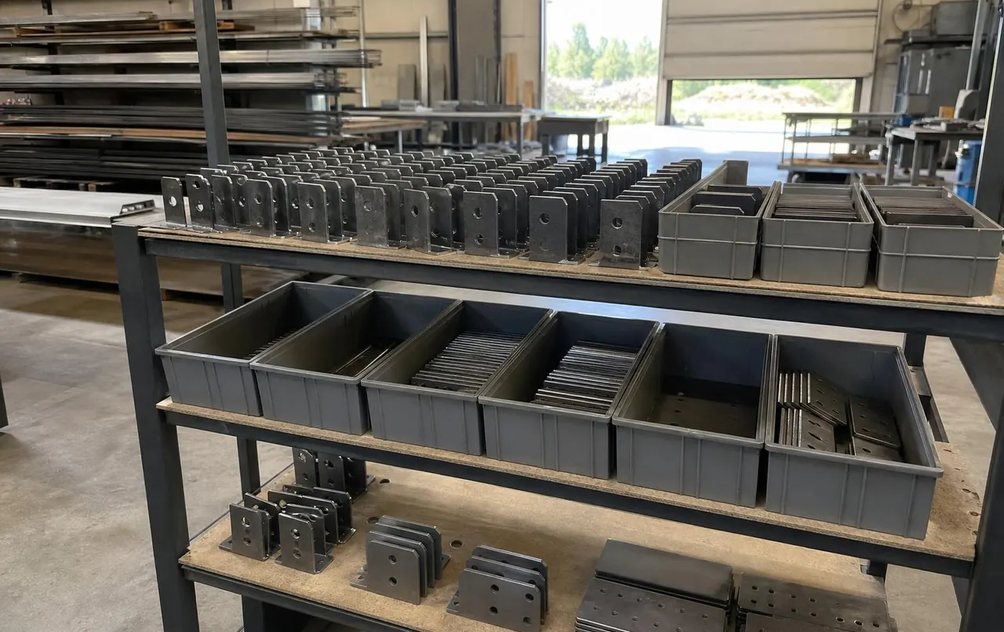
Cut plates and brackets
Drilled hole patterns
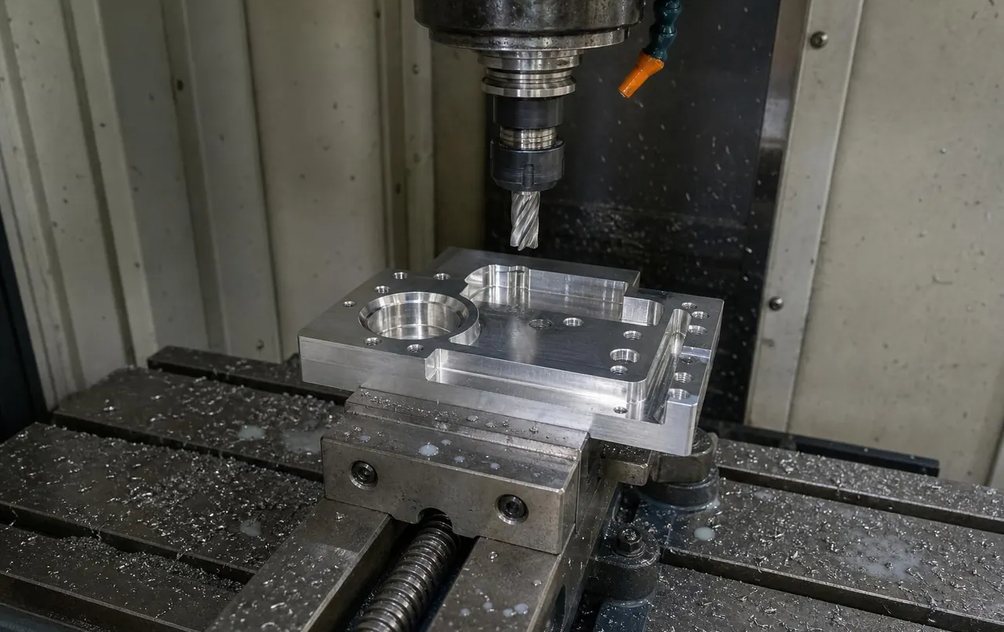
Machined blocks and housings
Sheet metal covers before coating
Saw cut bar and tube
Parts that are handled every day
Why the edge matters before coating
Paint and powder coat pull away from sharp edges as they cure, which leaves a thin spot right where a part is most likely to be knocked. A lightly broken edge holds coating much better. If your parts are going to a coater after us, tell us, and we will leave an edge that suits the coating and a surface free of oily fingerprints.
For parts that will stay bare, such as brushed aluminum or stainless, the edge is part of how the part looks. A neat, even chamfer reads as care. We keep the edge consistent from part to part so a set of panels looks like it belongs together.
Deburring parts from another shop
Sometimes parts arrive from a cutting or machining supplier with burrs that slow down your assembly. You can send them to us for deburring and edge work alone. Bring or send a sample and the quantity, tell us which edges matter, and we will quote the work. The parts go back to you clean and counted.
Common questions about metal deburring
Can you deburr parts you did not make?
Yes. Deburring is offered as its own service for parts from other suppliers. Send a sample or photos, the material and the quantity for a quote.
Which edge finish should I ask for?
Tell us how the part is used: painted, handled, sealed or on show. We suggest an edge that suits it and finish a sample for your approval on larger lots.
Do you deburr inside holes and slots?
Yes. Hole edges on both sides, countersinks and the inside of slots are part of the job when the tool can reach them.
Is deburring included when you make the part?
Yes. Every part we make leaves the shop with its burrs removed and its edges broken to suit the job.
Often booked together
Parts rarely need one step only. These services are the ones most often quoted alongside metal deburring.
Your cookie choice. We use necessary cookies so pages and forms work. Optional analytics and advertising cookies stay off until you say yes. Cookie Policy
Cookie Choices
Choose which optional cookies this site may use. Your choice is kept for 180 days. A Global Privacy Control signal from your browser is treated as a rejection of optional cookies.
Strictly necessaryAlways on
Run the basic site functions and security, and store your cookie choice.
Count page visits in general terms. Stays off unless you switch it on.
Measure whether an ad led to a quote request. Off unless you turn it on.
Your browser sends a Global Privacy Control signal, so optional cookies stay off.